Oily Skin Type: How Does Excess Oil Affect Your Skin and What’s the Solution?
The Skinsmith | 8th September 2022

Oily skin is very common, and though it usually begins during adolescence, many of us deal with excess oil throughout our life. Oil, or sebum, is naturally produced to protect our skin, however, for some, an oily skin type can lead to problematic skin…
Oily Skin Definition
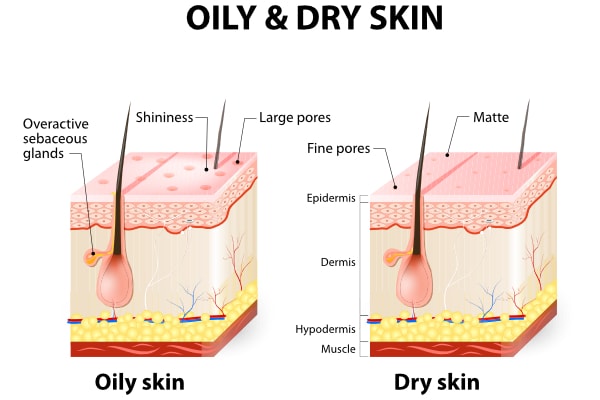
Oily skin is caused by the sebaceous glands under the skin overproducing sebum, a waxy substance which protects the skin. This leads to skin, particularly on the face, which looks shiny and feels greasy. Though an oily skin type can be genetic, it is worsened by lifestyle choices, unsuitable skincare routines, and even your environment.
How Oily Skin Affects Your Skin
Excess oil production can affect your skin in many ways, from breakouts to blocked pores. But most importantly, when your skin doesn’t feel good, neither do you! It is important to be confident in your skin, and understanding why your skin is problematic is the first step to better managing an oily skin type.
So, how does excess oil affect your skin?
Blackheads will Develop
Blackheads appear as small, dark pinpricks in your skin, caused by excess oil blocking the hair follicles in your skin. The oil oxidises as it is exposed to the air at the surface of the skin, and turns black. Whilst in the short-term, blackheads may be unsightly, in the long-term they can lead to further complications, such as infected and inflamed pores (a cause of acne) and even scarring if not dealt with properly.

You Will Be More Prone to Acne Breakouts
Acne breakouts are caused by excess oil building up in hair follicles – the oil mixes with dead skin cells, and blocks the follicle. When this blockage remains under the surface of the skin, rather than breaking out to form a blackhead, the skin becomes inflamed. Pus forms under the skin as a reaction to this, leading to a raised spot or acne.
Your Face Will Appear Shiny
Oily skin types often suffer from shiny, greasy skin. Not only is shiny skin a visible result of excess oil, but can leave a residue behind on surfaces it may come into contact with. Products such as makeup can also wear faster or slide off the skin, and hair can become greasy quickly.
How Do You Prevent Oily Skin?
Oily skin can be caused by numerous genetic, lifestyle, and environmental factors, meaning total prevention is not always possible. However, managing and reducing the amount of excess oil your skin produces is – and establishing an oily skin type routine with tried-and-tested products is a great way to do this.
Wash Your Face Regularly
Washing your face twice daily with a gentle cleanser and water keeps your skin clean, meaning excess oil is not left to build up; foam or gel cleansers work best for oily skin.
You should wash your face morning and night to remove excess oil and other pollutants. However, be careful of over-exfoliating or using a more aggressive cleanser – this can dehydrate the skin, leading to an increase in oil production as the skin tries to combat dryness.
Use Good Facial Toners for Oily Skin
Toners can be used on oiler areas, such as the T-Zone, to remove oil and dead skin cells whilst also helping to tighten pores. The most suitable toners for oily skin use natural astringents (which enable the toner to clean and tighten pores) rather than alcohol-based products, which can over-dry the skin. Natural astringents in toners for oily skin types include witch hazel, green tea and citrus such as lemon.
Make Use of Face Masks for Oily Skin
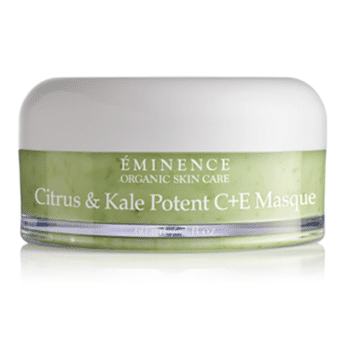
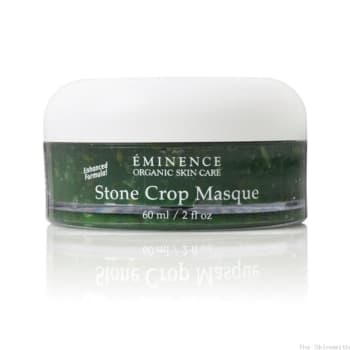
Face masks are great for soaking up excess oil, drawing the oil from pores and removing it when the mask is washed off. Face masks for oily skin should include natural ingredients such as rosehip, honey, clay, and raspberry, which not only help to remove excess oil but soothe your skin as it does so.
It is recommended that face masks be used only as needed, rather than part of a daily routine, in order to avoid dehydrating the skin.

Utilise Moisturisers for Oily Skin
Though it may seem counterintuitive, moisturising after your skin has been cleansed is an essential step in an oily skin type routine. Moisturising replenishes the moisture lost through cleansing or other treatments, helping to regulate oil production by keeping clean skin hydrated without having to produce additional oil.
An oil-free, non-comedogenic, or natural face moisturiser for oily skin are the most suitable types of moisturisers, hydrating skin without making it excessively greasy.
Create A Simple, Yet Effective Oily Skincare Routine By…
…checking out our complete step-by-step guide here, or by speaking to a member of our expert team today on 01305 300950 or by sending an email to info@theskinsmith.co.uk. We hope to hear from you soon.