

Three Simple Steps To Discover Your Skin Type:
The Skinsmith | 5th August 2024
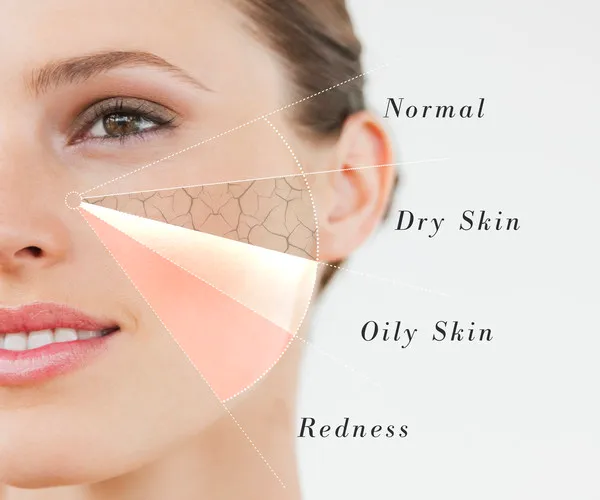
What is Your Skin Type?
(Photo Credit - Violet Leaf Beauty and Skincare Clinic)
Do you want to know your skin type? Well in three simples steps you can discover exactly what your skin types is?
Did you know your skin type is with you for life? You are born with a certain skin type and it it doesn’t change throughout your life even if you changed things such as your diet, exercise routine or your environment for example. Your genetic make-up determines whether your skin is dry, combination, oily or another skin type and in this blog we are going to help you determine what your skin type is with three simple steps to discover exactly what your skin type is…

Why It’s Important To Know Your Skin Type
When you know and understand what your skin type is, your on the road to improving your skin with the best skin care products and routines for achieving beautiful skin for your skin type. We would always highly recommend a visit to one of our Eminence Experts for a professional analysis of your skin in the meantime though by following this simple three step test you can determine your skin type and the best options for helping your skin look its best.

Simple Three Step Skin Type Test
Step 1: Cleanse and Wait
Give your face a good cleanser with your favourite cleanser, and blot dry. Leave your skin alone for at least an hour. Do not apply any further products! Note how your skin feels during this hour, does it start to feel tight, or does it feel completely normal, do you notice any oily sheen appearing, is that sheen in certain areas only. For example, do it feel oily in a T-zone and normal or dry on your cheeks?
Simple Three Step Skin Type Test
Step 2: Blot Your Skin
With a clean tissues simply dab on the different areas of your face. Each time take a look at the tissue to see if you notice any residue on the tissue. The T-zone area, forehead, nose and chin can often be oily whilst your cheeks feel normal or dry.
Step 3: Determine The Results and Your Skin Type
Now you have blotted your skin, think about how your skin feels, is it:
A. Comfortable all over with no residue left on the tissue
B. Comfortable all over along with some residue on the tissue
C. Comfortable in the T-zone along with residue on the tissue, but there is a tight feeling on your cheek area
D. Tight in general without any residue on the tissue
E. Tight, itchy & inflamed, possible redness in areas and there may or may not be residue on the tissue
Once you have determined how your skin feels and the results of the tissue blotting please see below to discover your skin type:
Discover Your Skin Type
A: Normal Skin Types
This is a bit like having O negative blood, you are right in the middle with a perfectly balanced skin that is neither too oily or too dry! Your complexion most likely feels normal and comfortable, with a healthy glow. Normal skin types are evenly hydrated, moisturised with a balanced oil production leaving a smooth even texture and feel.
Discover which products enhance a Normal Skin Type
B: Oily Skin Types
There is good and not so good news when you have an oily skin type! The not so good news is that your sebaceous glands are a little too eager!... producing more sebum (or oil) than your skin needs. This can lead to a shiny appearance and possibly larger pores. Oten oily skins are more prone to blocked pores and pimples. But….. oily skins are known to stay younger looking for longer as the oil keeps this skin type smoother and less wrinkled!
Learn how to balance excess oil and keep an Oily Skin Type clearer
C: Combination Skin Types
You’ve probably guessed that a combination skin type is a combination of different skin types and you would be right! It can be one of the more difficult skin types to treat as you can have both oily skin in areas and dry skin in other areas. The most common oily skin zones are across the forehead, down the nose and can include the chin… this is called the T-zone as it mimics the shape of a capital T! however the T-zone can be lower with oily cheeks and chin too,
Generally the rest of the face will be normal to dry. As you technically have a combination of skin types you can either treat each area with specific products or use products for all skin types!
A great tip is to use an all skin type cleanser, toner, then use a serum for oily skins on the oily areas and a serum for normal, dry skins on those areas to target each skin type for best results.
Use a moisturiser for all skin types followed with an SPF product to protect your skin from damaging UV.
Learn more about which products suit a Combination Skin Type
D: Dry Skin Types
Dry skin types are the exact opposite to oily skin types. A dry skin doesn’t produce enough oil to moisturise the skin and help maintain a healthy skin barrier function. Dry skin commonly feels tight, it can feel uncomfortable and irritated and may in extreme dryness have flaky patches of dry skin. Dry skin tends to have small pores and any fine lines and wrinkles may appear more visibly on a dry skin.
Gentle exfoliation and rich moisturising products are key to keeping a dry skin healthy, here are some great products for treating Dry Skin Types
E: Sentitive Skin Types
Most people at some point feel they have a sensitive skin… but do you have a sensitive skin type? There can be a variety of different symptoms ranging from flakiness and redness to inflammation and irritation. Generally, there will be redness and irritation in the skin and it can feel quite tight and possibly uncomfortable. Sensitive skins can be quite responsive, reacting to triggers such as environmental stressors, harsh ingredients in a variety of products and even lifestyle choices and diet. Symptoms can become irritated by these factors which can increase their severity.
Understanding how to treat a sensitive skin is a key factor in controlling your symptoms, learning the best products for a Sensitive Skin Type will definitely help.

Getting to Know & Understand Your Skin Type
(Photo Credit - Lancer Skincare)
When you know what skin type you have it makes life much easier regarding your daily skincare routine. You can select products formulated specifically for your skin type to achieve the best results from your skincare.
However, skin types are not the only consideration when selecting your products, you may also have a skin condition or disorder which could be due to diet, medication, environment or even using products incorrectly. When you start at the beginning and determine your skin type you can then look at skin conditions – here are three common areas where skin types and skin conditions can be mistaken for each other:
Dry Skin Type Or Dehydrated Skin Condition?
It can be easy to mistake a dry skin for dehydrated skin, as the skin can look very similar in both instances. Dehydrated skin is caused by a lack of water in the skin, a dry skin on the other hand is a lack or oils or lipids. It is common for a dry skin to also be dehydrated as the skin barrier function can be compromised with a dry skin which can lead to natural water loss within the skin causing dehydration.
As dehydrated skin is a condition it can be temporary and topical skin care products can help to rehydrate a dehydrated skin. Changes in your diet can also help along with drinking more water and environmentally a more humid atmosphere will also help towards fixing dehydration in the skin. Dry skin however is permanent as we mentioned at the beginning of this blog post, skin types are genetic, and you have them for life. You can improve a dry skin with products and professional treatments but you can’t change it!
Combinations Skin Type Or Seborrheic Dermatitis or Eczema Skin Condition?
Showing similar T-zone symptoms to combination skin types is the fairly common condition known as seborrheic dermatitis or eczema. Overactive sebaceous glands from a type of fungus cause excess oil in areas of the skin while the skin has areas of red, flakiness which can be mistaken for a dry skin over inflammation. This oily, dry combo can seem to be a combination skin type but is actually a treatable skin condition, it is best to seek advice from a medical expert if you feel you have this skin condition.
Sensitive Skin Type Or Using The Wrong Skin Care Products?
We all jump to the conclusion that we have a sensitive skin type when we see redness, irritation or sensitivity in our skin however there are times when this sensitivity can be caused by what you are using on your skin and not your genetic skin type. Some products contain ingredients that can irritate and cause inflammation in your skin, they can also dry your skin causing redness and sensitivity. Ingredients such as alcohol, parabens, propylene glycol, sulphates and phthalates are among some of the common skin care ingredients that can cause irritation and redness, because they are so common you may think you have a sensitive skin type when it is your products contributing to this sensitive feeling in your skin.
There are some other contributors to a sensitised skin including excess exfoliation and using too much of your acne product range. Over exfoliating your skin with products that contain retinols, acids or if you love a good peel or microdermabrasion your skin can be left compromised and sensitised. Cut back on your exfoliation routine and check your products to see if they contain ingredients which can resurface the skin such as lactic acid and conventional retinol. You may be exfoliating, and you don’t even realise it! In a similar way acne products can contain beta hydroxy acids which exfoliate the skin too or alcohol which strips the skin of natural oils leaving it dry and feeling sensitised.
It is important to understand your skincare ingredients if you feel you have a sensitive skin type as a simple change in products could completely turn your skin around.
Learn More...
Hopefully this simple skin type test has helped you identify your skin type so you can understand your skin a little better. Try a professional skin analysis to confirm your findings and learn more about the best skin care routine for you. Spa/Salon Locator
Original Eminence Organic Skincare Post: Written by:
May 1, 2019
You can also learn more about skin types by speaking to a member of our experienced and friendly team today on 01305 300950 or by emailing info@theskinsmith.co.uk. We look forward to hearing from you.